
Single Process Hair Color vs Highlights: What’s the Difference?
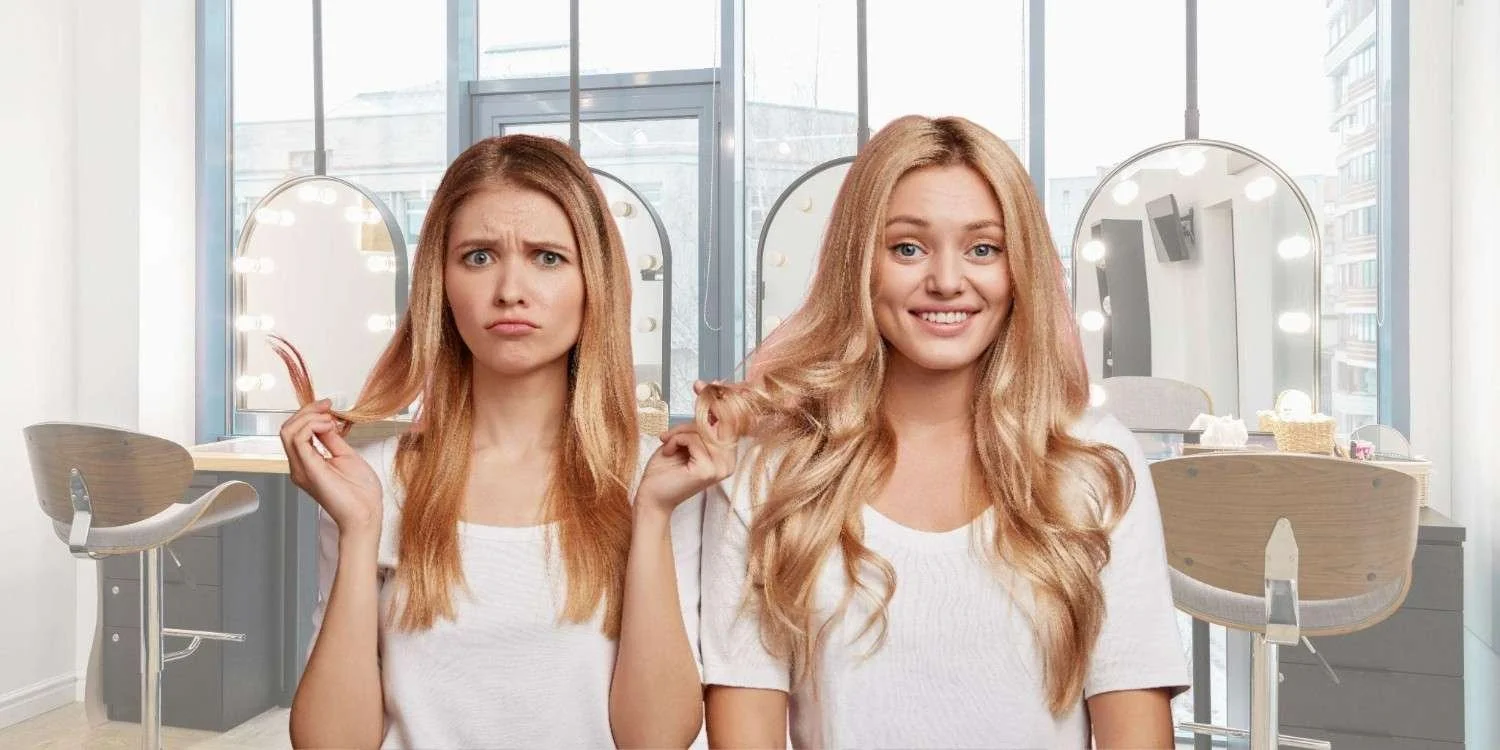
It can be both exciting and confusing to choose a new hair color. Many clients ask about single process color and highlights. Both options transform your look. Both alternatives make you change your look. But they do it quite differently. Therefore, knowing all the techniques can help you select the most suitable one based on your hair goals.
This informative tutorial guide will teach you how each service works. You will also learn some important differences, advantages, and maintenance tips. Consequently, you will be able to step into your next appointment confidently.
What Is a Single Process Hair Color?
Single-process hair color employs a single formula. Your stylist applies it to your entire hair. This changes your natural color all in one step. It may darken, lighten, or cover gray hair.
For example, you might prefer a deep brown or a dark black shade. Single process color is effective in that instance. Also, it delivers even results from the roots to the ends. Hence, it is appropriate with clients who want a well-organized appearance.
In addition, it is less time-consuming compared to highlights. The majority of sessions last 1 to 2 hours. Therefore, it can be easily integrated into hectic schedules.
What Are Highlights?
Highlights bring light strands to your hair. Rather than dying all the hair, the stylists concentrate on the chosen areas. These lighter ones add volume and motion.
For example, you can find blonde streaks in brown hair. This contrast provides some brightness. As a result, your hair looks more dynamic and textured.
Also, highlights are of various styles. You may opt to use smaller lights, such as babylights, or large, heavyset lights. Balayage and other techniques produce the effect of sun-kisses. Therefore, highlights offer more customization.
Key Differences Between Single Process Color and Highlights
Although both services involve color, they serve different purposes. Let’s break down the main differences.
1. Coverage vs Dimension
Single process color gives full coverage. It creates one consistent shade. On the other hand, highlights add contrast and depth.
2. Application Method
Stylists apply single-process color all over the hair. However, highlights involve sectioning and foiling or painting strands.
3. Time Required
Single-process color usually takes less time. In contrast, highlights take longer due to detailed placement.
4. Maintenance Needs
Single process color needs regular root touch-ups. Meanwhile, highlights grow out more naturally. Therefore, they require fewer salon visits.
5. Final Look
Single process color looks smooth and even. Highlights look multi-dimensional and vibrant.
Benefits of Single Process Hair Color
Single process color offers several advantages. First, it provides full gray coverage. This makes it ideal for mature clients.
Next, it creates a polished appearance. If you want a bold, solid shade, this method works best. Also, it allows for dramatic color changes in a single session.
Furthermore, it costs less than highlights in most cases. So, it suits budget-conscious clients. In addition, it works well for first-time color clients.
Benefits of Highlights
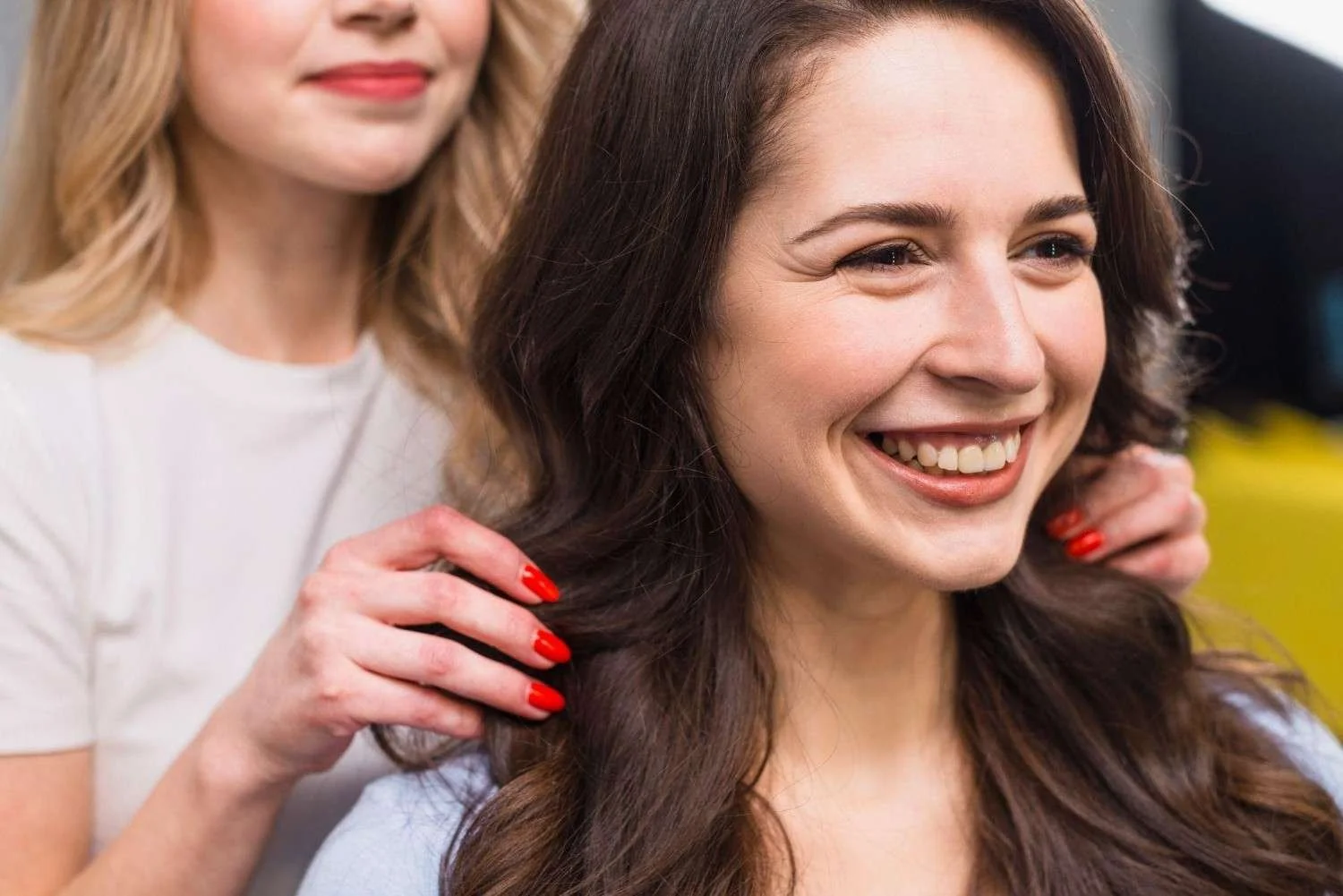
Highlights bring life to your hair. They make it three-dimensional and lively. Consequently, your hair appears fuller and more textured.
Besides, highlights are suitable for natural hair. Thus, regrowth appears less conspicuous. This minimizes the frequency of touch-ups.
Moreover, highlights can brighten your face. Strengthening strands on the face will give it a youthful look. Moreover, tones can be easily customized.
Lastly, highlights work on most of the styles. You can also change the appearance, whether you like the subtle or bold.
Which Should You Use?
It is up to you to choose depending on your aims. Single-process color should be used if you want complete coverage and a uniform shade. But when you would like it to have dimension and brightness, highlights are better.
Also, consider your lifestyle. If you prefer low maintenance, highlights may be easier. On the other hand, if you like consistent color, a single process works well. Hair condition matters too. Damaged hair may need gentler techniques. Therefore, always consult a professional stylist first.
Maintenance Tips for Both Options
Proper care keeps your color fresh and vibrant. Follow these tips for the best results:
Use sulfate-free shampoo to protect color
Condition regularly to maintain moisture
Avoid excessive heat styling
Schedule regular trims to prevent split ends
Use color-safe products for longer-lasting results
Also, keep your hair out of the sun. Color can fade from UV rays. Wear a hat or use UV-sprays, then.
The importance of Professional Consultation
Every hair type is different, so a personalized consultation is essential for the best results. A skilled stylist understands your hair needs and suggests the right approach. This step ensures your final look matches your expectations.
A stylist carefully evaluates your hair condition, tone, and goals
At Satori Beauty, every service begins with a detailed consultation
The team focuses on achieving natural and seamless results
They help you choose the right method for your specific needs
They also ensure your hair stays healthy throughout the process
Satori Beauty specializes in natural-looking hair extensions and custom hair toppers. These services add volume, length, and confidence while offering solutions for fine or thinning hair.
FAQs
-
Single process color uses one formula applied evenly to change your entire hair shade completely.
-
Highlights may cause slight dryness, but proper care and products keep your hair healthy always.
-
You should refresh roots every four to six weeks to maintain consistent and vibrant color.
-
Yes, highlights grow naturally, so they need fewer touch-ups and maintenance appointments than full color.
-
Highlights add dimension, which makes thin hair appear fuller and more textured visually overall.